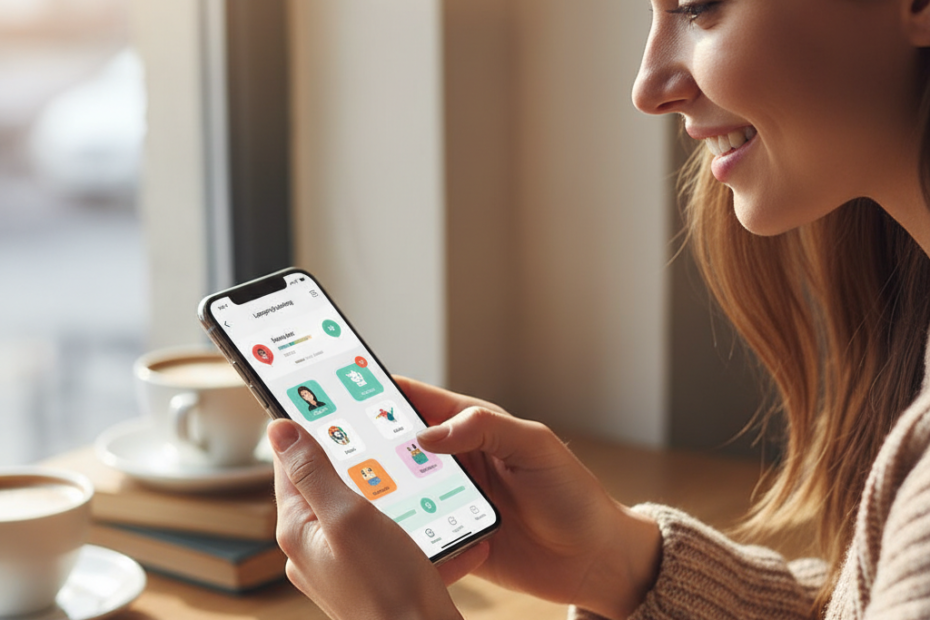
Do you often feel a pang of frustration when you want to express yourself confidently in English, but the words just don’t flow as smoothly as you’d like? Many English learners grapple with this challenge, especially when opportunities for real-life conversation are limited or expensive. The fear of making mistakes, a lack of native speakers nearby, or the cost of private tutors can often act as barriers to consistent spoken practice. But what if there was a way to overcome these hurdles, allowing you to practice daily, improve your fluency, and boost your confidence – all without spending a single rupee? The good news is that advancements in technology have brought powerful language learning tools right to our fingertips. Free mobile applications offer an accessible and engaging solution for anyone looking to sharpen their spoken English skills. These apps leverage everything from artificial intelligence to global communities, providing varied and effective ways to practice speaking. From perfecting your pronunciation to engaging in real conversations with language partners, there’s an app tailored for every learning style and goal. In this comprehensive guide from Learn English with Parul Arya, we’ll explore the top five free apps that can transform your spoken English practice, helping you to speak with clarity, confidence, and natural ease every single day.
How To Choose The Right App For Spoken English Practice
With a plethora of language learning apps available, selecting the one that best suits your needs can feel overwhelming. To make an informed decision, it’s essential to consider specific features that directly support spoken English improvement. Focusing on these criteria will help you find an app that provides genuine value for your practice sessions. Here are key aspects to look for when choosing your ideal spoken English practice app:
- Focus on Spoken Practice: Ensure the app prioritizes speaking exercises over just grammar drills or vocabulary memorization. Look for features like conversational prompts, role-playing, or opportunities for direct speech interaction.
- AI Feedback and Speech Recognition: Advanced apps use AI to analyze your pronunciation, intonation, and fluency. Real-time feedback can pinpoint areas for improvement, helping you refine your speech patterns accurately.
- Community and Peer Interaction: Many apps connect learners with native speakers or other learners worldwide. This provides invaluable opportunities for real-time conversation, cultural exchange, and overcoming speaking anxiety.
- Variety of Topics and Scenarios: An app that offers diverse conversational topics and real-life scenarios keeps practice engaging and prepares you for different situations. This prevents monotony and broadens your practical vocabulary.
- User-Friendly Interface: A clean, intuitive, and easy-to-navigate interface enhances the learning experience. You want an app that makes daily practice simple and enjoyable, not complicated.
- Progress Tracking: Look for features that allow you to monitor your progress over time. Seeing your improvement can be a powerful motivator to continue your daily practice routine.

Quick Look: Top 5 Free Spoken English Practice Apps
Before diving into the detailed reviews, here’s a quick summary of our top picks to help you find the best fit for your daily spoken English practice:
- ELSA Speak – Your personal AI-powered English pronunciation coach for clear speech.
- HelloTalk – Connects you with native speakers worldwide for genuine language exchange.
- Tandem – Another robust language exchange platform for direct communication with peers.
- Cake – Learn practical expressions and improve listening with short, engaging video lessons.
- Duolingo – Offers structured lessons with speaking exercises for a comprehensive approach.
Your Go-To Apps for Daily Spoken English Practice
Let’s explore each app in detail, highlighting what makes them stand out and what to keep in mind when using their free versions.
1. ELSA Speak: AI-Powered Pronunciation Coach
ELSA Speak (English Language Speech Assistant) is a popular AI-powered app specifically designed to improve your English pronunciation and accent. It uses advanced speech recognition technology to listen to your speech, identify mistakes, and provide precise feedback.
- Why You Will Love It:
- Detailed Pronunciation Feedback: ELSA identifies specific sounds you mispronounce and offers corrective exercises. It breaks down words into individual sounds, helping you master tricky pronunciations.
- Personalized Learning Path: The app creates a customized curriculum based on an initial diagnostic test, focusing on your weakest areas.
- Extensive Content Library: Practice with thousands of English words, phrases, and conversational dialogues covering various topics.
- Idioms and Phrases: Helps you sound more natural by practicing common English idioms and expressions.
- Keep In Mind:
- While the free version offers substantial daily lessons and practice, many advanced features, particularly access to the full content library and more in-depth feedback, require a premium subscription.
- Its primary focus is pronunciation; it’s less about free-form conversation with other learners.
2. HelloTalk: Connect with Native Speakers
HelloTalk is a global language exchange community app that connects you with native speakers around the world. It facilitates real-time communication through text, voice messages, voice calls, and video calls, making it an excellent platform for practicing spoken English.
- Why You Will Love It:
- Authentic Conversations: Engage in real, spontaneous conversations with native English speakers who are also learning your language. This provides invaluable practice in natural dialogue.
- Multimodal Communication: Practice speaking via voice messages and calls, and refine your listening skills by understanding native accents.
- Built-in Translation and Correction Tools: The app offers instant translation, transliteration, and correction features, making communication smoother and aiding learning.
- Language Partners: Find partners based on shared interests, age, and location, fostering more engaging and relevant conversations.
- Keep In Mind:
- The quality of your experience largely depends on finding active and committed language partners.
- While the core communication features are free, some advanced search filters and the ability to learn multiple languages simultaneously may require a VIP subscription.
3. Tandem: Your Global Language Exchange Community
Similar to HelloTalk, Tandem is another highly-rated language exchange app designed to connect language learners worldwide. It emphasizes direct communication and cultural exchange, providing a vibrant platform to practice spoken English with native speakers.
- Why You Will Love It:
- Vast Global Community: Connect with millions of users globally, ensuring you can find native English speakers for practice at almost any time.
- Voice and Video Calls: Practice your speaking and listening skills directly through real-time audio and video calls, simulating real conversations.
- Text Correction and Translation: Tandem includes handy tools for text correction and translation, which are incredibly useful for clarifying meanings and correcting mistakes during chats.
- Professional Tutors Available: While the core exchange is free, Tandem also offers access to certified tutors for those who wish to pursue structured lessons (paid feature).
- Keep In Mind:
- Finding a consistent and reliable language partner can sometimes take effort.
- Some users might approach the platform for reasons other than language learning, so exercise discretion when interacting.
- The free version provides ample communication, but some premium features like unlimited translations or finding partners nearby are behind a paywall.
4. Cake: Learn English from Videos
Cake is a unique app that focuses on teaching English through short, engaging video clips from popular movies, TV shows, and YouTube videos. Its methodology is centered around listening to native speakers and repeating after them, making it excellent for improving natural expression and intonation.
- Why You Will Love It:
- Authentic Content: Learn practical, everyday English expressions used by native speakers in real-life contexts.
- Repeat and Practice: The app allows you to repeat lines from videos, record your voice, and get instant AI feedback on your pronunciation and intonation.
- Curated Lessons: Provides daily updated lessons on various topics, including slang, idioms, and common phrases.
- Sentence Structure Breakdown: Helps you understand the context and usage of new phrases, not just memorizing them.
- Keep In Mind:
- While excellent for listening and mimicking, it offers fewer opportunities for free-form conversation compared to language exchange apps.
- The free version provides access to a lot of content, but certain advanced features or unlimited ‘pro’ content might require a subscription.
- Relies heavily on passive learning through observation and repetition, which might not suit all learning styles.
5. Duolingo: Gamified Language Learning
Duolingo is one of the most popular language learning apps globally, known for its gamified approach to learning various languages, including English. While it covers all aspects of language learning-reading, writing, listening, and speaking-it offers specific exercises to practice spoken English.
- Why You Will Love It:
- Structured Learning Path: Follow a clear, progressive curriculum from beginner to advanced levels, covering a wide range of vocabulary and grammar.
- Speech Recognition Exercises: Duolingo incorporates speaking exercises where you repeat phrases and sentences, and the app provides feedback on your pronunciation.
- Gamified Experience: Earn points, level up, and maintain streaks, making daily practice engaging and motivating.
- Comprehensive Approach: Integrates speaking practice within a broader curriculum that also strengthens your reading, writing, and listening skills.
- Keep In Mind:
- While it includes speaking exercises, its primary focus is not solely on spoken fluency, which might mean less in-depth pronunciation analysis compared to ELSA Speak.
- The speaking exercises are often sentence repetition rather than free-form conversation.
- The free version includes ads, and some features like unlimited mistakes or offline access are part of a Super Duolingo subscription.

Best Apps For Different Scenarios
Choosing the “best” app often comes down to your specific learning goals and current needs. Here’s a breakdown of which app shines brightest in particular scenarios:
- For Mastering Pronunciation and Accent: If your main goal is to speak English clearly and confidently, with accurate pronunciation, ELSA Speak is your undisputed champion. Its AI-driven feedback is unparalleled in identifying specific sound errors.
- For Finding Language Exchange Partners and Real Conversations: When you’re ready to engage in authentic, free-flowing conversations with native speakers, both HelloTalk and Tandem are excellent choices. They provide the platforms and tools to connect and communicate directly.
- For Learning Natural Expressions and Improving Listening: If you want to pick up natural English phrases, slang, and improve your listening comprehension from real-world content, Cake is an innovative and highly effective app. Its video-based lessons make learning engaging.
- For Structured Learning with Integrated Speaking Practice: If you prefer a more structured, progressive curriculum that incorporates speaking exercises alongside grammar and vocabulary, Duolingo offers a comprehensive and gamified approach. It’s great for building a solid foundation while getting speaking practice.
Getting The Right Fit for Your Practice
Finding the right app is just the first step. To truly benefit from these tools and make consistent progress in your spoken English, consider these practical tips:
- Align with Your Learning Style: Reflect on how you learn best. Do you thrive on direct interaction, or do you prefer structured lessons with AI feedback? Choose an app that resonates with your preferred method.
- Consistency is Key: Daily, even short, practice sessions are far more effective than infrequent long ones. Aim for 15-30 minutes of focused practice every day.
- Don’t Be Afraid to Experiment: Try a few apps for a week or two to see which one you naturally gravitate towards and find most effective for your personal growth.
- Supplement with Real-Life Practice: While apps are fantastic tools, try to find opportunities to use English in your daily life. This could be by joining local conversation groups, watching English movies without subtitles, or even speaking to yourself in English.
- Set Achievable Goals: Instead of aiming for perfect fluency overnight, set smaller, manageable goals, like “I will use 5 new idioms this week” or “I will have a 10-minute conversation with a native speaker today.”

Make Your English Practice Last Longer
Just like any skill, consistent and mindful practice is crucial for long-term improvement in spoken English. Here’s how you can maximize your app usage and make your practice sustainable:
- Set Daily Reminders: Use the app’s notification features or your phone’s alarms to remind you to practice at a consistent time each day.
- Engage Respectfully: On language exchange apps, be polite, patient, and genuinely interested in your partner’s language and culture. This builds positive relationships and encourages continued interaction.
- Keep a Digital Notebook: Use your phone’s notes app or a dedicated language learning journal to jot down new vocabulary, phrases, or grammar points you learn from the apps. Review these regularly.
- Don’t Solely Rely on One App: Consider using a combination of apps. For example, use ELSA Speak for pronunciation and HelloTalk for conversation. This multi-pronged approach can address different aspects of your spoken English.
- Record Yourself: Many apps allow this, but even if they don’t, use your phone’s voice recorder. Listen back to your own speech to identify areas where you can improve your fluency, pace, and intonation.
- Focus on Active Listening: When using apps like Cake or interacting with partners on HelloTalk/Tandem, don’t just speak. Actively listen to how native speakers phrase things, their rhythm, and their intonation.
Your Next Step to Speaking Confidently
Mastering spoken English is a journey that requires dedication, consistency, and the right tools. The five free apps we’ve explored-ELSA Speak, HelloTalk, Tandem, Cake, and Duolingo-offer incredible resources to help you practice daily, refine your pronunciation, engage in real conversations, and build your confidence. There’s no longer any need to feel isolated or limited by a lack of speaking partners or expensive tutors. Your next step is simple yet powerful: choose one or two of these apps that align best with your learning style and goals, download them, and commit to daily practice. Experience the transformative power of consistent engagement and watch as your spoken English flourishes. Start your journey today and unlock the door to confident and fluent communication with Learn English with Parul Arya.
Sources
- Language education – Wikipedia
- Second-language acquisition – Wikipedia
- Mobile learning – Wikipedia
- Speech recognition – Wikipedia
Frequently Asked Questions (FAQ)
Q: Are these apps truly free, or are there hidden costs?
A: All the apps listed offer substantial free versions that provide valuable features for practicing spoken English. However, most also offer premium subscriptions that unlock additional content, advanced features, or an ad-free experience. You can achieve significant improvement with the free versions, but paid options are available for those who want to deepen their learning.
Q: How often should I practice spoken English using these apps?
A: Consistency is more important than duration. Aim for at least 15-30 minutes of focused practice daily. Even short, regular sessions are more effective than sporadic long ones. Daily engagement helps reinforce learning and builds momentum.
Q: Can these apps replace a human English tutor?
A: While these apps are incredibly effective and convenient for daily practice, they typically cannot fully replace the personalized, in-depth feedback, motivation, and tailored curriculum that a human tutor provides. They are excellent supplements and can significantly reduce the need for constant tutoring, but for highly specific needs or advanced learners, a tutor remains beneficial.
Q: What if I feel shy or nervous about talking to strangers on language exchange apps?
A: It’s completely normal to feel shy at first. Start by using text messages to get comfortable, then gradually move to voice messages, and finally voice or video calls. Remember that most people on these platforms are also learners, sharing the same goal. Focus on small interactions, be polite, and remember that making mistakes is a natural part of the learning process. Overcoming this shyness is a major step towards fluency!
Q: How can I improve my English fluency faster with these apps?
A: To speed up your fluency, combine different strategies:
- Use a pronunciation app like ELSA Speak daily to perfect sounds.
- Engage in regular conversations on HelloTalk or Tandem to build confidence and spontaneity.
- Actively listen and mimic phrases from Cake’s authentic videos.
- Be consistent: practice every day, even for a short period.
- Don’t be afraid to make mistakes; they are learning opportunities.
- Keep a vocabulary journal and review new phrases regularly.